Chapter 2 — NFT Marketplace (2021–2022)
A curated NFT auction platform for digital art
By early 2021, the insight from our early experiments had crystallized.
If blockchains enabled digital property rights, creators needed a product that could introduce them to this new paradigm in a way that was both intuitive and culturally meaningful.
That product became Foundation.
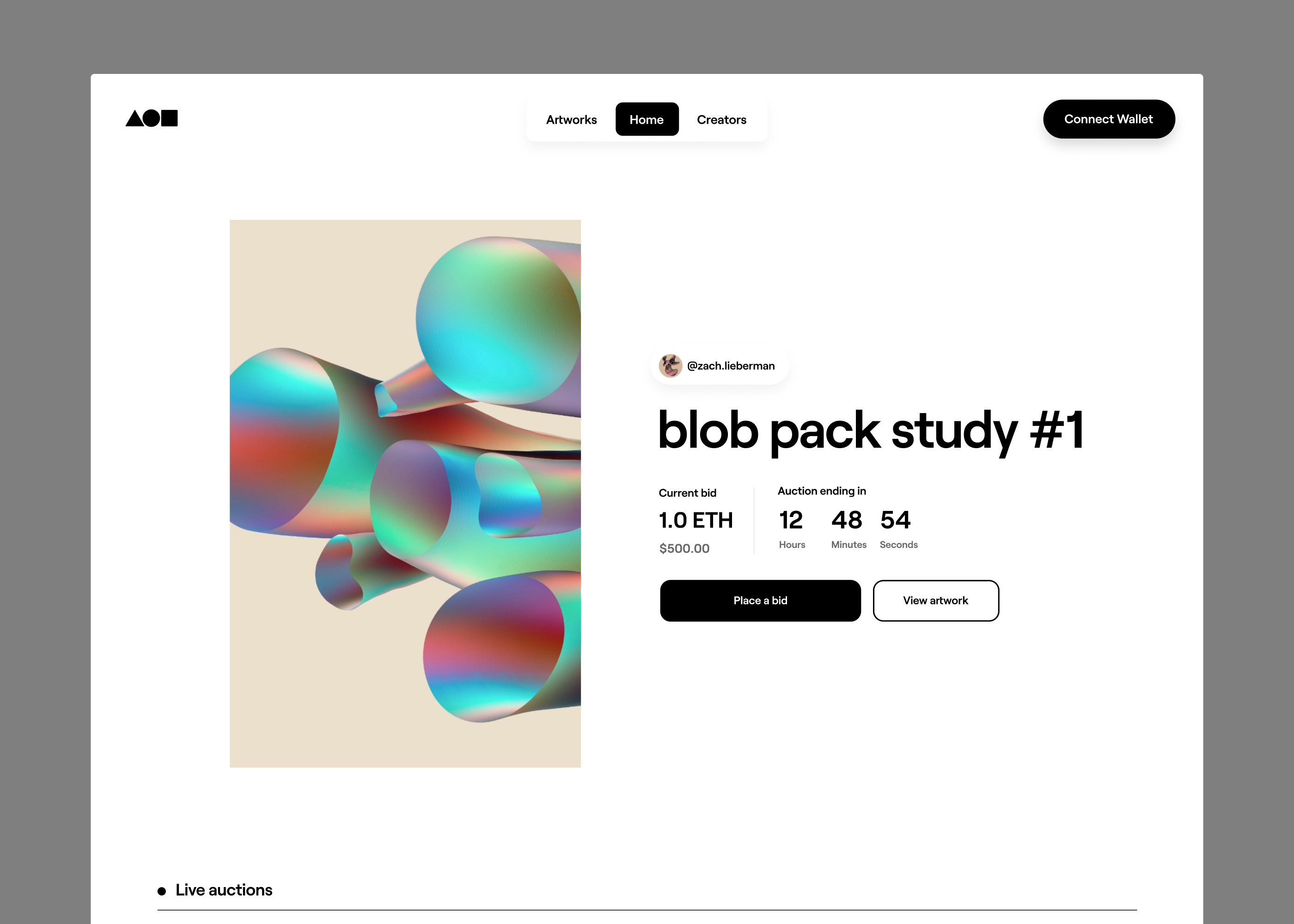
The Thesis
We believed three things were necessary for digital property rights to take hold.
1. Creators Needed a Beautiful Product
Crypto tools at the time were largely built for developers and traders.
Creators needed something different:
- a beautiful, intuitive interface
- a simple onboarding experience
- a product that treated their work with care and intention
Design and presentation mattered because the platform was not just infrastructure—it was a cultural venue.
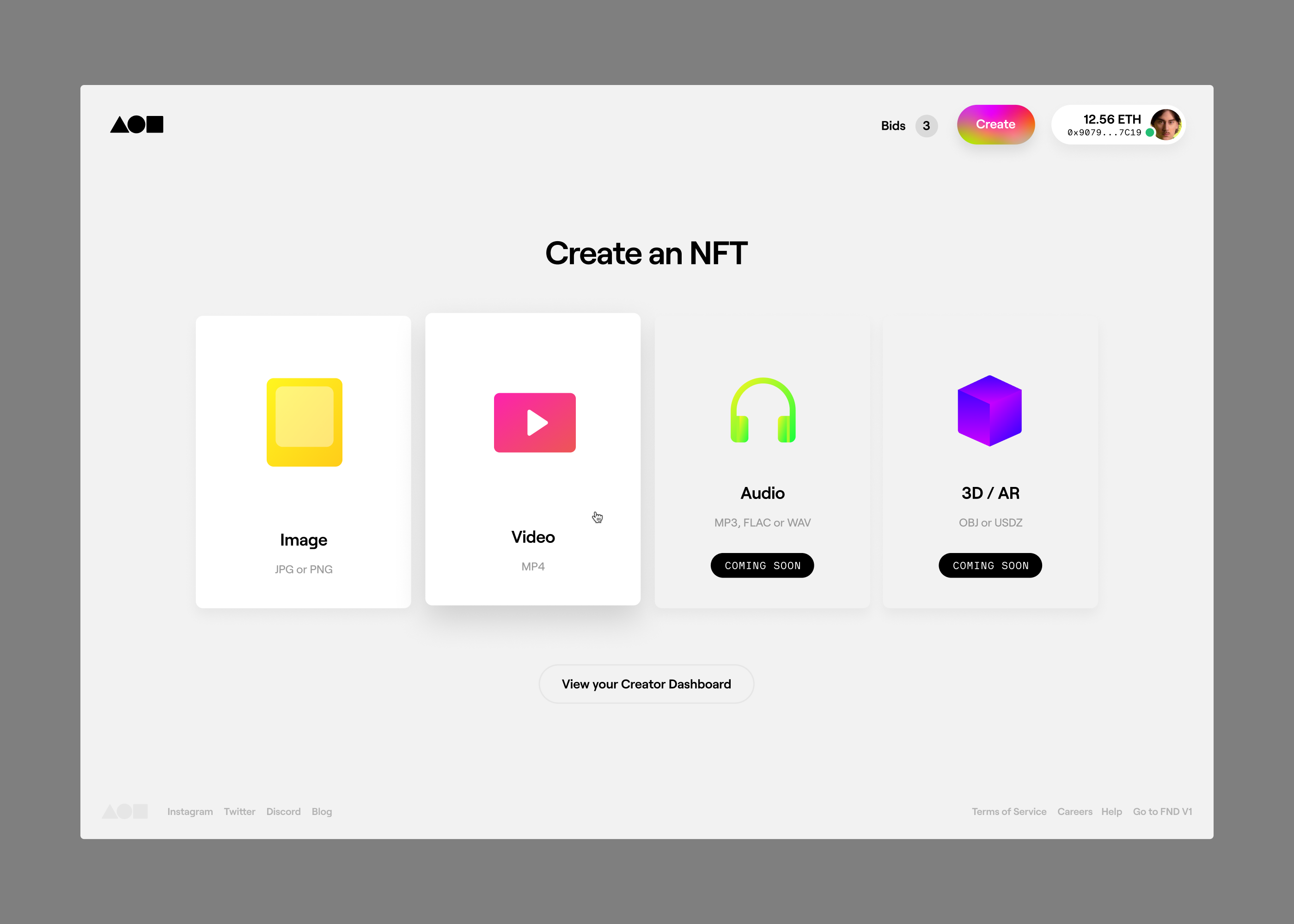
2. The Experience Needed to Be Cryptonative
We believed the product needed to remain cryptonative.
Users needed:
- a wallet
- ETH
- the ability to sign transactions
These elements were not obstacles—they were part of the value proposition.
Ownership, provenance, and transactions were meant to be visible and legible within the product experience.
This aligned with the early demand side, which was overwhelmingly crypto-native.
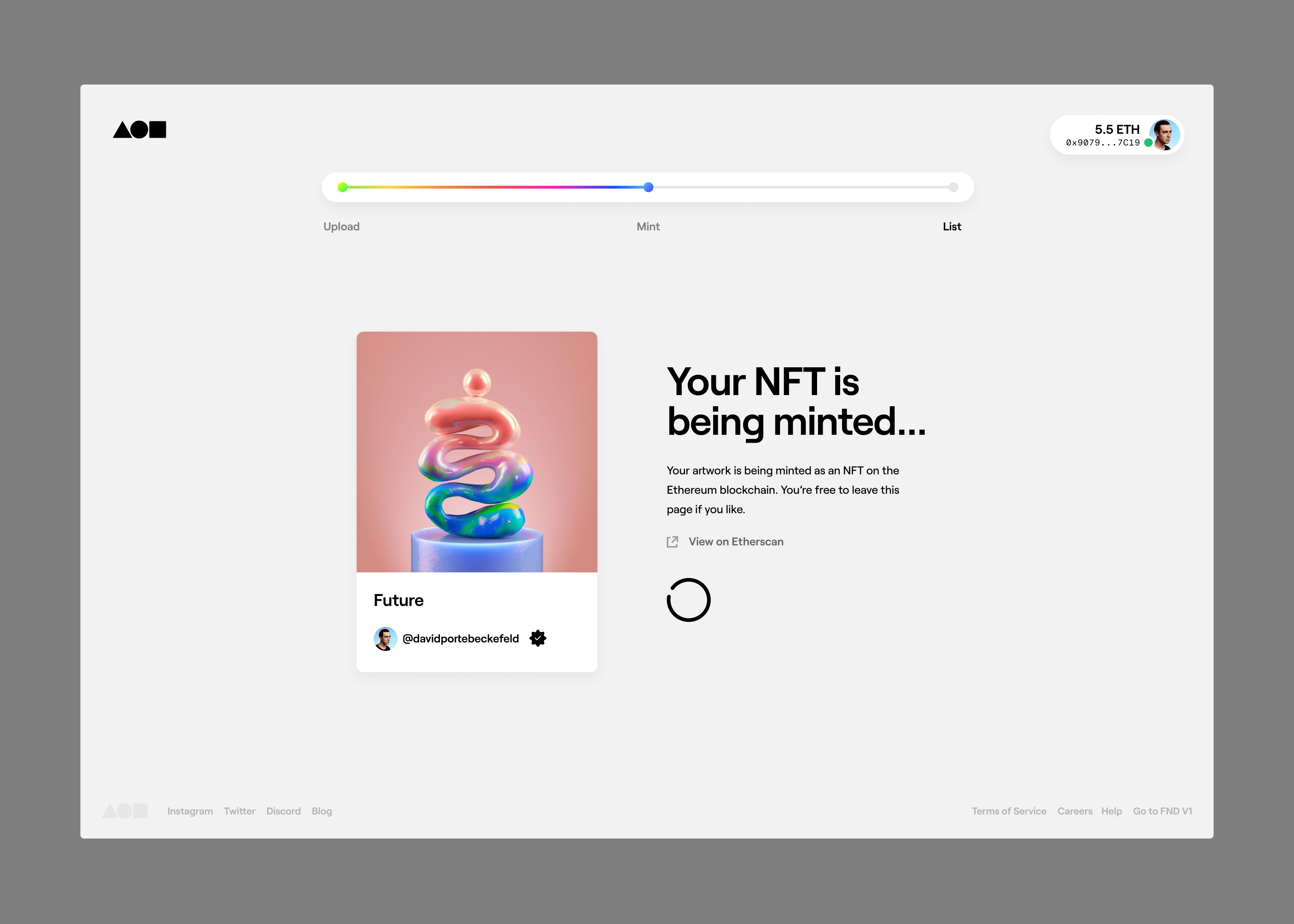
3. Property Rights Could Improve the Economics of the Internet
At the core of the thesis was a broader belief:
Encoding ownership, provenance, and transferability into digital objects could improve the economics of the internet.
Creators could publish work they owned.
Collectors could support artists directly.
Ownership could move independently of any platform.
What We Built
Foundation launched as a vertically integrated auction platform.
Within a single product:
- creators minted work onchain
- collectors discovered and bid on those works
- ownership transferred directly to collectors’ wallets
Auctions created moments of excitement and discovery, allowing the cultural significance of each work to emerge through the bidding process itself.
The Initial Wedge
Early adoption was driven by crypto-native participants.
The collectors who showed up first were not mainstream art buyers. They were early crypto users who understood and valued onchain ownership.
They were drawn to:
- visible wallet identity
- transparent provenance
- direct participation in auctions
- assets that could move independently of any platform
At the same time, their motivations were not purely cultural.
Much of this early demand was driven by speculation. These participants were financially motivated and actively seeking asymmetric upside in a rapidly expanding market.
This made the cryptonative product experience a strength rather than a barrier.
It also shaped how the market evolved.
Cultural Breakthroughs
These moments were driven by a new class of crypto-native collectors.
The platform quickly became home to many defining moments of the early NFT era.
One of the most iconic was the sale of the internet meme Nyan Cat, which sold for approximately $600,000.
The auction demonstrated something powerful:
Internet culture itself could become collectible.
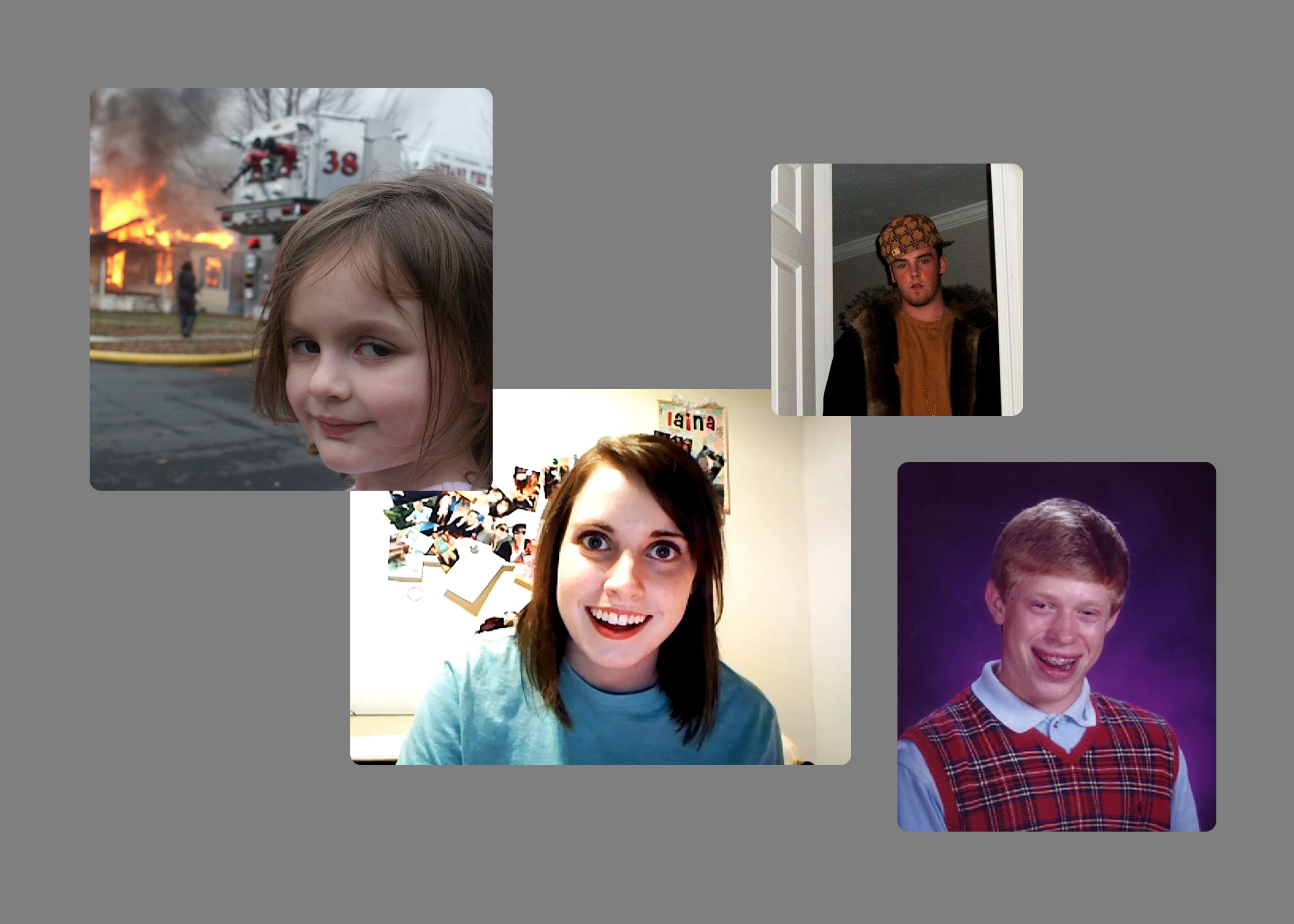
The success of Nyan Cat triggered a wave of meme auctions that followed soon after, including:
- Disaster Girl
- Overly Attached Girlfriend
- Scumbag Steve
- Bad Luck Brian
Together, these sales helped establish internet memes as canonical objects of digital culture.
Artists and Cultural Figures
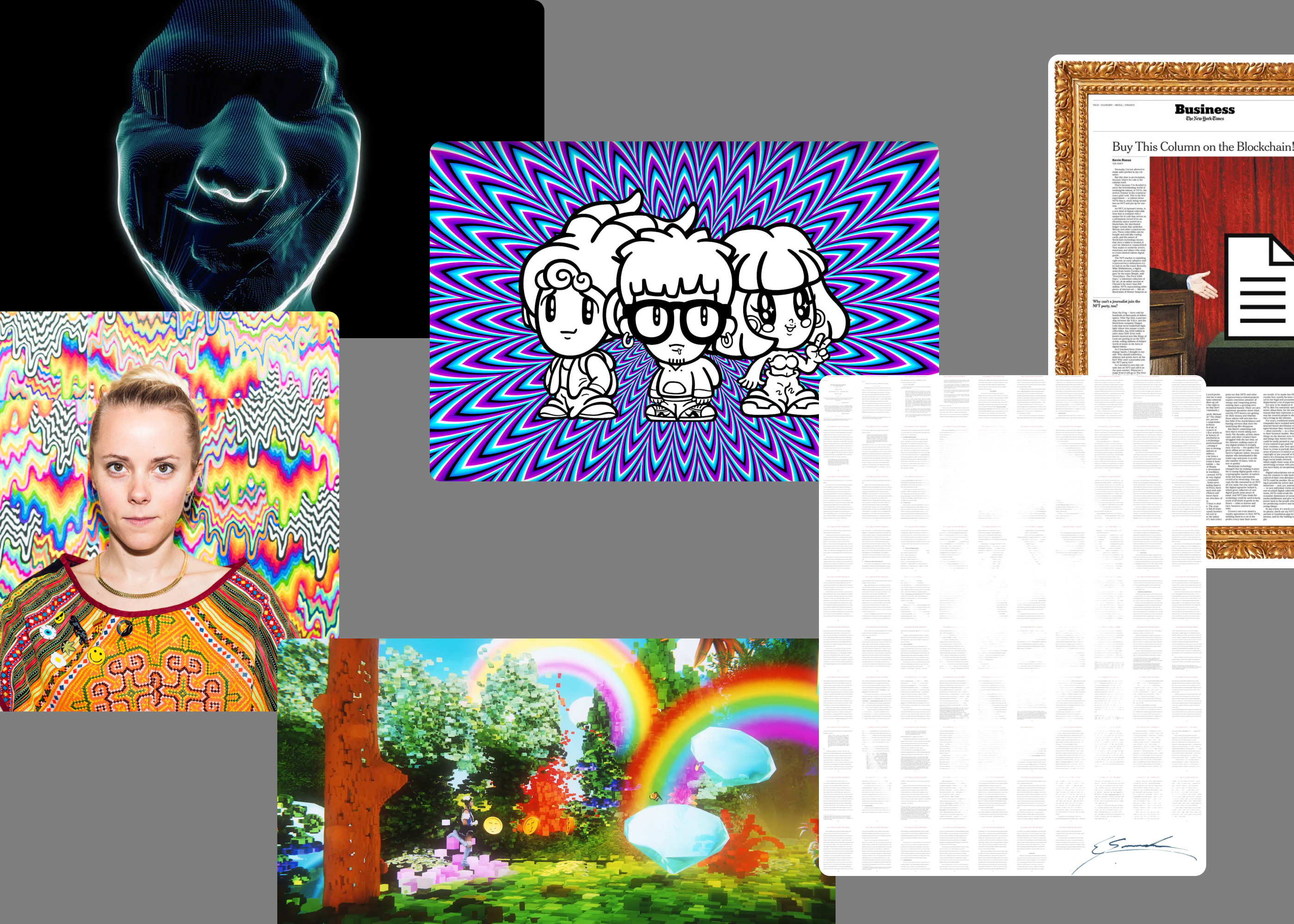
Foundation attracted creators from across digital art, music, journalism, and activism.
Creators featured on the platform included:
- Jen Stark
- Aphex Twin
- Charli XCX
- The New York Times
- Pussy Riot
- Edward Snowden
One of the defining moments of the period was the auction of Edward Snowden’s NFT, which sold for over $5 million.
These events helped push NFTs into mainstream cultural awareness.
The Impact
By the end of this period, Foundation had become one of the defining platforms of the early NFT movement.
Foundation by the numbers
- $230M+ in primary sales
- $20M+ in revenue
For a moment, it appeared that digital property rights might rapidly reshape the creative economy.
The Emerging Tension
But the speed of the market’s rise also revealed its fragility.
Several dynamics were becoming clear:
- the market was tightly coupled to broader crypto cycles
- speculation played a significant role in demand
- much of the activity was driven by crypto-native capital rather than a broad mainstream collector base
- long-term sustainability was still uncertain
The next question became unavoidable:
What would a stable digital art ecosystem look like after the speculative wave subsided?
That question led to the next chapter: Worlds.